Review: 3D Zentangle Butterfly Embroidery Design
As a designer who spends more time looking at stitch density and fabric grain than actual butterflies, I approach every new digital asset with a mix of skepticism and curiosity. When I first pulled up the 3D Zentangle Butterfly, my initial reaction was one of cautious optimism. The concept is visually striking—a mandala-inspired papercut aesthetic that promises depth and intricate detail—but the real test for any machine embroidery design lies in its execution on cloth. This isn’t just another decorative motif; it is a complex 3D SVG structure that demands respect from both the operator and the machine.
First Impressions: Mood and Visual Personality
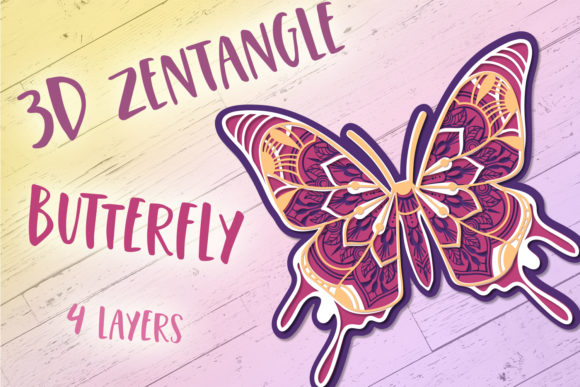
The 3D Zentangle Butterfly immediately establishes a mood of sophisticated whimsy. Unlike standard floral or geometric patterns, this design carries the weight of architectural precision mixed with organic flow. The "zentangle" influence means you are looking at repetitive, meditative patterns that create a mesmerizing optical effect when stitched. It feels less like a simple applique and more like a piece of wearable art.
Visually, the butterfly shape is bold enough to stand alone as a focal point but detailed enough to require careful planning. For Etsy sellers and small business owners, this distinction is crucial. A design that is too simple can look cheap in a finished product, while one that is overly complex can become a muddy mess if not digitized correctly. This file strikes a balance, offering high visual value without appearing cluttered. The four-layer construction suggests a dimensional quality that mimics the layered nature of actual papercutting, giving the final handmade product a tactile richness that customers appreciate.
Real-World Application: From Screen to Stitch
To truly understand the utility of this embroidery file, we need to move past the preview images and imagine it on actual merchandise. Let’s consider a specific scenario: preparing a custom line of boutique tote bags for an upcoming craft fair.
When placing the 3D Zentangle Butterfly on a canvas tote, the contrast between the structured lines of the zentangle pattern and the rugged texture of the canvas creates an immediate sense of quality. The design works exceptionally well here because the heavy fabric can support the stitch density required for such detail. However, if you were to attempt this same design on a thin, stretchy jersey t-shirt, the results might be disastrous. The tension required to hold the layers together could pucker the fabric, ruining the crisp edges that define the papercut style.
I also envision this design thriving on home decor items. Imagine the 3D Zentangle Butterfly centered on a neutral linen pillow cover. The multi-layer aspect adds shadow and depth, making the butterfly appear to float off the surface. This kind of visual pop is exactly what drives engagement on social media platforms where printable mockups are used to sell digital assets. It transforms a basic item into a statement piece, increasing the perceived value of the finished product.
Strategic Use Cases for Commercial Success
For apparel decorators and commercial embroidery professionals, versatility is key. While the butterfly is a classic motif, the zentangle treatment makes it feel contemporary and trendy. Here is how this design fits into various product categories:
- Custom Apparel: On sweatshirts or hoodies, the design serves as a premium back-print or left-chest accent. The intricate details catch the light differently depending on the thread colors chosen, adding movement to the garment.
- Baby Items: Soft pastel threads applied to the 3D Zentangle Butterfly can create stunning nursery wall hangings or blanket accents. The mandala theme resonates with parents looking for calming, artistic elements for their children's spaces.
- Accessories: An embroidered patch version of this design would look fantastic on denim jackets or leather hats. The defined edges of the zentangle pattern hold up well on curved surfaces, provided the hoop size is appropriate.
- Holiday Gifts: During the holiday season, this design can be adapted using metallic or festive colored threads. It works beautifully as a personalized gift tag attachment or a decoration on kitchen towels, bridging the gap between functional and decorative.
The ability to use this as an applique design or combine it with satin and fill stitches allows creators to experiment. If you have access to the instructions mentioned in the preview, leveraging the layering technique can turn a flat image into a textured masterpiece that stands out in any craft business inventory.
Where to Exercise Caution
No design is universal, and the 3D Zentangle Butterfly has specific constraints that must be respected. First, avoid using this on highly textured fabrics like chunky knits or bouclé. The needle will struggle to penetrate evenly, and the fine details of the zentangle pattern will get lost in the weave. Similarly, dark fabrics require careful thread selection; unless you plan to use a contrasting underlay or base layer, the intricate lines may disappear into the background.
Another critical area is hoop size. Because the design relies on precision, attempting to stitch it in a small hoop where the fabric cannot lay completely flat will result in distortion. Always confirm the recommended hoop size before starting. Furthermore, if you are producing these items for frequent washing, ensure that the stabilizer used is fully removed and that the thread colors are colorfast. The complexity of the design means that any puckering or misalignment will be immediately obvious to the customer.
Practical Designer Notes for Execution
Before committing to a large production run, I strongly advise testing the 3D Zentangle Butterfly on scrap fabric that matches your final project material. Check the following:
- Thread Color Contrast: Run the design through a black-and-white filter in your editing software to ensure the layers have distinct tonal separation. If the layers blend together in grayscale, they will likely blend together in color, losing the 3D effect.
- Stitch Density Review: Inspect the dense areas. Are there places where the needle penetration is too tight? Adjusting the density slightly can prevent fabric distortion without sacrificing detail.
- Stabilizer Selection: Use a cut-away stabilizer for woven fabrics and a tear-away for stable knits, but always err on the side of more support rather than less when dealing with layered designs.
- Licensing Verification: As a digital product seller or maker, double-check the license terms. Ensure you are permitted to sell physical goods made from this digital embroidery file. Some creators restrict commercial use, so clarity here protects your small shop product business.
In conclusion, the 3D Zentangle Butterfly is a robust addition to any designer’s library. It offers a unique aesthetic that elevates standard embroidery projects into high-end handmade products. By understanding its strengths in visual appeal and its limitations regarding fabric choice and stabilization, you can leverage this design to create items that resonate with customers seeking quality and artistic flair. Whether you are updating your Etsy listings or expanding your brand consistency, this butterfly provides a reliable foundation for creative success.