Review: 3D Christmas Letter K
When I receive a new digital design file for review, my first instinct is to look past the pretty preview image and ask one simple question: Will this hold up in real-world production? As a designer who frequently creates assets for small businesses and personal clients, I have learned that visual appeal means nothing if the execution fails under the hoop. Today, I am putting 3D Christmas Letter K through its paces. This is not just about whether it looks good on a screen; it is about how it translates into a tangible, high-quality embroidered product that customers will love and wear.
The First Impression: Mood and Visual Personality
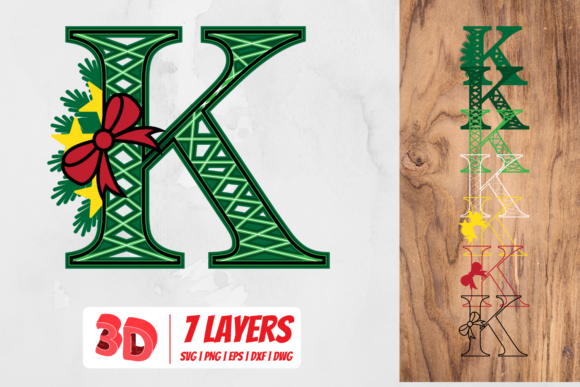
The moment I opened the folder containing the 3D Christmas Letter K, the seasonal theme was immediately apparent. The letter "K" carries a distinct personality—bold, confident, yet approachable. In the context of holiday embroidery, there is often a risk of designs feeling cluttered or overly childish. However, this design strikes a balance that appeals to a wider demographic. It feels suitable for everything from a cozy nursery wall hanging to a sophisticated boutique gift item.
The "3D" aspect mentioned in the title suggests depth, likely achieved through specific stitch techniques or applique layers rather than just a flat outline. For an embroiderer, this is crucial. A flat letter can sometimes look cheap on a sweatshirt, but a design with perceived dimension adds value to the finished product. It catches the light differently and gives the eye something to follow, making the garment or accessory feel more expensive and thoughtfully crafted.
Real-World Application: From Screen to Stitch
To truly understand the utility of this machine embroidery design, I imagine placing it on various substrates. Let us start with a classic: a heavy cotton canvas tote bag. A monogrammed bag is a staple for any craft business. If you are an Etsy seller looking to expand your inventory during the fourth quarter, a personalized holiday tote is a low-risk, high-reward item. The bold shape of the "K" ensures that even if the stitching is slightly imperfect due to fabric shifting, the overall aesthetic remains intact. The design does not rely on microscopic details that might get lost in the weave of a sturdy canvas.
Next, consider apparel. A crewneck sweatshirt is a natural home for this kind of festive design. When working with knit fabrics like fleece or french terry, stability is key. The stitch density of this file needs to be sufficient to anchor itself without pulling the fabric into waves, yet flexible enough to move with the wearer. If the 3D Christmas Letter K utilizes a combination of satin stitches for the border and fill stitches for the interior, it should provide a plush, tactile finish that invites touch. This texture is what transforms a generic piece of clothing into a personalized gift.
I also see potential here for baby items. A soft onesie or a burp cloth featuring this letter could be a hit at craft fairs. Parents appreciate designs that are cute but not overwhelming. The clean lines of a single letter allow for easy integration into larger patterns or as a standalone focal point. It works well for holiday embroidery projects where time is tight, but quality cannot be compromised.
Technical Considerations and Potential Pitfalls
No design is perfect for every situation, and being honest about limitations is part of a professional review. Here are the areas where you need to exercise caution when using 3D Christmas Letter K.
- Hoop Size Constraints: While the design is versatile, extremely small hoop sizes may compromise the integrity of the letter's curves. If you are attempting to fit this onto a tiny patch or a miniature hat, ensure the digitizing allows for adequate spacing between stitches. Crowding the stitches can lead to puckering, which ruins the professionalism of the final look.
- Fabric Texture and Stability: Textured fabrics, such as chenille or heavy waffle weaves, can hide the finer details of an embroidery file. On these surfaces, the definition of the "K" might soften. Similarly, thin or stretchy fabrics require a robust stabilizer solution. Without proper backing, the tension of the thread can distort the fabric, causing the letter to look warped. Always test on scrap material first.
- Color Contrast: The visual impact of this design relies heavily on thread choice. On dark fabrics, you must use lighter threads or metallics to create contrast. Conversely, on white or cream backgrounds, dark threads provide sharp definition. Poor color selection can make a great design look muddy or invisible. I recommend testing your thread colors against your actual fabric before committing to a full production run.
- Dense Stitch Areas: If the design includes dense fill areas, be mindful of needle penetration. Too many stitches in one spot can make the fabric stiff and uncomfortable, especially on garments that will be worn against the skin. For baby embroidery or intimate apparel, lighter coverage is often preferred for comfort.
Impact on Product Value and Branding
For small business owners, the distinction between a "good" design and a "great" one often comes down to customer perception. A well-executed embroidery project builds trust. When a customer receives a custom apparel item with crisp edges, consistent tension, and thoughtful placement, they are more likely to leave a positive review and return for future purchases.
The 3D Christmas Letter K contributes to brand consistency by offering a recognizable, polished aesthetic. It signals that the maker cares about detail. In the competitive landscape of commercial embroidery, standing out requires more than just a timely theme; it requires technical proficiency. Using a design that holds its shape and looks intentional elevates your entire shop’s image. It moves your products from "handmade hobbyist" territory into "boutique quality" status.
Practical Designer Notes for Implementation
Before you load this file into your machine or send it to a client, follow these practical steps to ensure success:
- Test Run: Never skip the test. Stitch the design on a scrap of the exact fabric you plan to use. This reveals issues with hooping, tension, or stabilizer choice that you cannot see on a computer screen.
- Check File Formats: The download includes svg, dxf, png, and eps formats. Ensure you are using the correct format for your software. The SVG is compatible with Cricut Design Space, Silhouette Designer Edition, Make the Cut MTC, Sure Cuts A Lot SCAL, and Brother Sca. Verify that your version of the software supports the file structure.
- Inspect Small Details: Zoom in on the digital preview. Are there any tiny floating elements that might be difficult to stitch accurately? If so, consider simplifying the design or adjusting the stitch type to running stitch for those specific areas.
- Black and White Mockup: View your design in grayscale. This helps you assess the balance of light and dark areas without being distracted by color. It ensures the design has strong visual hierarchy.
- Licensing Review: If you intend to sell finished items made with this design, confirm the licensing terms. Most digital files come with restrictions on commercial use. Understanding these rules protects your small shop product from legal issues.
Final Verdict
The 3D Christmas Letter K is a solid addition to any embroiderer’s library, particularly for those focusing on seasonal markets. It offers a blend of festive charm and structural clarity that works well across a variety of mediums, from tote bag design applications to sweatshirt embroidery. By paying attention to fabric choice, stabilizer support, and thread contrast, you can transform this digital asset into a high-value physical product. It is a reliable tool for creating memorable personalized gifts and strengthening your brand’s presence in the handmade market.