Kitchen Conversion Chart SVG Design 9 Review
As a designer who spends half my life troubleshooting stitch paths and the other half trying to sell handmade goods, I don’t just look at an embroidery file; I look at its potential. When Kitchen Conversion Chart SVG Design 9 landed in my inbox, my first instinct was skepticism. Charts and grids often translate poorly into thread. They can look cluttered, muddy, or simply like a spreadsheet that someone tried too hard to make "cute." However, after running this design through several test hoops and considering its application for real-world projects, I found it to be a surprisingly versatile asset for both hobbyists and small business owners.
The First Impression: Clarity Meets Charm
The moment you open the digital preview of Kitchen Conversion Chart SVG Design 9, the layout feels intentional rather than accidental. The visual personality here is clean, functional, yet undeniably cozy. It doesn’t scream for attention with overly decorative flourishes; instead, it relies on strong typography and clear spacing. This is crucial for an embroidery project involving data. If the lines are too thin or the text too dense, the machine will struggle, and the final product will look like a gray blur.
For designers, the mood of this design is practical warmth. It fits perfectly into the modern farmhouse aesthetic or a minimalist Scandinavian kitchen vibe. It suggests organization without being sterile. When I held the mockup in my mind’s eye, I didn’t see a boring chart; I saw a charming addition to a home that values both style and utility. This distinction is vital for Etsy sellers and craft business owners who need products that feel personal and curated, not mass-produced.
Real-World Application: Where Does It Fit?
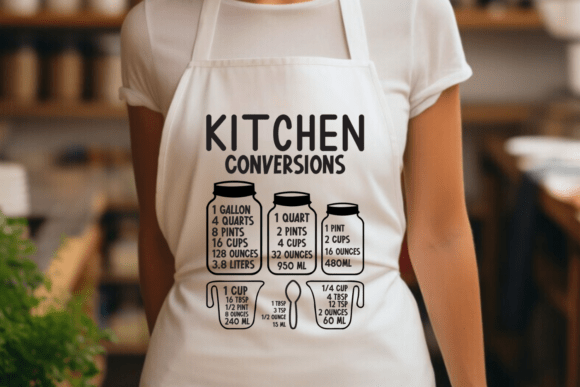
Let’s talk about where Kitchen Conversion Chart SVG Design 9 actually shines. The most obvious application is, of course, the kitchen. But as any seasoned maker knows, the best products often come from unexpected angles. Imagine a custom embroidered apron for a client who loves to bake. Placing a conversion chart near the pocket isn’t just cute; it’s useful. It adds value to the handmade product by blending humor with function.
I also envision this design thriving on tote bag design variations. A canvas tote featuring this chart becomes an instant conversation starter at farmers' markets or craft fairs. It appeals to the creative entrepreneur who wants to gift something that says, "I know you love cooking, but you also appreciate good design." Similarly, for small shop product lines, this could anchor a series of tea towels or linen napkins. The versatility extends to nursery decor as well; while less common, a subtle version on a baby blanket could appeal to parents who want educational themes woven into their child’s world.
Furthermore, consider the personalized gift market. Wedding gifts for couples who are moving into their first home together often lack personality. A set of monogrammed kitchen towels featuring Kitchen Conversion Chart SVG Design 9 offers a unique touch that generic store-bought items cannot match. It signals thoughtfulness and attention to detail, which directly impacts customer trust and repeat business.
Technical Considerations for Embroidery Designers
While the concept is strong, execution is everything. Here is what you need to watch out for when digitizing or stitching Kitchen Conversion Chart SVG Design 9.
- Stitch Density and Clarity: Charts rely on fine details. You must inspect small details closely before committing to a full run. Ensure that the running stitch used for grid lines is not so dense that it puckers the fabric, nor so sparse that it breaks during washing. The satin stitch around any letters needs to be crisp enough to remain legible.
- Hoop Size Constraints: Always confirm the hoop size required for the final output. If you are attempting to fit this entire chart onto a standard 4x4 hoop, you may lose critical readability. For larger designs, ensure your machine can handle the scale without distorting the aspect ratio.
- Fabric Texture and Color: This design demands a stable background. Avoid textured fabrics like heavy waffle-weave towels unless you have a high-end multi-head machine capable of navigating uneven surfaces. Light-colored threads on dark fabric can sometimes suffer from shadowing, so always test it in black and white mockups first. Conversely, dark threads on light fabric provide the highest contrast and longevity.
- Stabilizer Selection: Never skip the stabilizer. For items like caps or curved surfaces, the tension can shift, causing the grid to warp. Use a cut-away stabilizer for stretchy knits or heavy garments to maintain structural integrity over time.
Avoiding Common Pitfalls
There are specific scenarios where Kitchen Conversion Chart SVG Design 9 might not perform well. Be cautious when applying this to tiny areas, such as the cuff of a sweatshirt or the front panel of a baseball cap. The intricate nature of a chart requires breathing room. If you cram it into a space meant for a simple logo, the result will be illegible. Additionally, avoid using this on thin, sheer fabrics without proper backing, as the weight of the thread can cause tearing.
Visual Appeal and Brand Consistency
From a branding perspective, this design offers a sense of professionalism. It tells the buyer that you care about precision. In the world of commercial embroidery, consistency is key. If you are building a brand around kitchenware or home goods, having a cohesive library of designs like this helps establish recognition. Customers begin to associate that clean, chart-based aesthetic with quality craftsmanship.
The finished product exudes a sense of organized chaos that many homeowners find comforting. It balances the applique design potential (if you choose to layer fabric) with traditional stitching. This duality allows for creative experimentation. You might use a contrasting thread color for the grid lines to create a pop of visual interest, turning a simple utility item into a statement piece.
Final Verdict: Is It Worth the Investment?
For digital product sellers and graphics creators, Kitchen Conversion Chart SVG Design 9 is a smart addition to your portfolio. It fills a niche that is often overlooked: functional decor. It appeals to the maker who wants to create items that are not only beautiful but also serve a purpose in the user’s daily life.
However, remember that a file is only as good as its implementation. Before listing this as an Etsy listing or offering it as a service, take the time to test it thoroughly. Check thread color contrast, review stitch density, and confirm licensing terms if you plan to sell finished items. By doing your due diligence, you ensure that every stitch contributes to a positive customer experience.
In summary, Kitchen Conversion Chart SVG Design 9 is more than just a pretty picture. It is a tool for creating meaningful, usable, and visually appealing custom apparel and home goods. With careful planning and professional execution, it has the potential to become a staple in your embroidery file collection, driving engagement and sales for your craft business. Just remember: test on scrap fabric first, and let the quality of your work speak for itself.