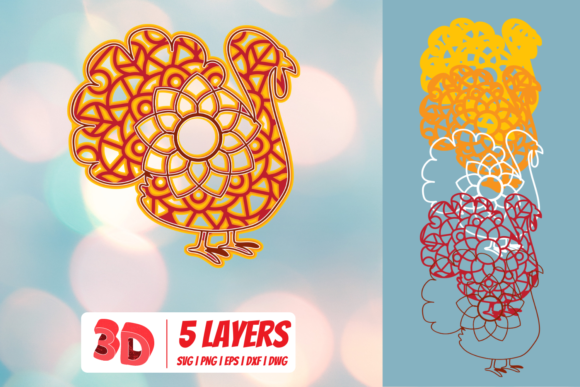
3D Turkey: A 3D SVG for Shadow Boxes and Branding
As a brand designer who spends half my life arguing with clients about kerning and the other half trying to make their products look irresistible on a crowded shelf, I don’t just buy assets; I evaluate them. I look at 3D Turkey not as a clipart file, but as a strategic component in a larger visual identity system. When you are running a local business—whether it’s a boutique bakery, a handmade soap shop, or a seasonal gift store—every pixel counts. This review breaks down how this specific graphic design asset fits into real-world small business branding, packaging design, and promotional materials.
The First Impression: Mood and Personality
When I first opened the files for 3D Turkey, my immediate thought was about warmth and approachability. The design carries a distinct personality that leans heavily into the festive, the rustic, and the celebratory. It doesn’t scream corporate minimalism; instead, it whispers comfort. For a local business owner, this is crucial. You want your customer to feel an emotional connection before they even taste your product or touch your fabric.
This asset suggests a brand personality that is friendly, handmade, and organic. It works beautifully for businesses that want to appear authentic rather than mass-produced. If your brand is elegant and ultra-minimalist, this might feel too decorative. However, if you are aiming for bold, soft, or playful visuals—especially during holiday seasons or special events—this illustration hits the right note. It creates a mood of abundance and joy, which is exactly what you want when selling limited-edition items or seasonal specials.
Real-World Application: From Label to Social Feed
Let’s imagine a real scenario. You own a local artisanal jam company launching a Thanksgiving-themed collection. You need visuals that pop on Instagram but also hold up on a small glass jar label. This is where 3D Turkey shines. Because it is a high-quality SVG design and PNG design hybrid, it offers incredible versatility across different mediums.
- Product Labels and Packaging Design: Use the vector layers to create intricate die-cut windows on your boxes. The depth implied by the 3D style adds value to simple cardboard packaging, making it look like a premium gift.
- Social Media Graphics: For your social media manager, this asset is gold. Create eye-catching posts for your feed using the PNG version with transparency. It stands out against busy backgrounds and draws the eye immediately, improving click-through rates for your online store.
- Printable Inserts and Thank-You Cards: Include a printed card in every order featuring this graphic. It reinforces your brand identity and makes the unboxing experience memorable. A polished marketing visual like this signals professionalism and care.
- Hang Tags and Stickers: Cut these out using a vinyl cutter to create custom hang tags. The detailed lines ensure that even at a small size, the turkey remains recognizable and charming.
Supporting Business Presentation and Trust
In the world of local business branding, presentation is everything. Customers judge the quality of your product by the quality of your packaging. Integrating a cohesive graphic element like 3D Turkey helps establish a stronger first impression. When your visual hierarchy is clear—where the graphic supports the text rather than fighting it—you build better product recognition.
Consider the difference between a generic stock photo and a custom-designed brand element. Using this asset consistently across your flyers, posters, and business cards creates a more consistent brand identity. Over time, customers will associate that specific illustration style with your name. This improved customer trust leads to repeat business. Furthermore, when your packaging looks professional, it justifies a higher price point. Shoppers are willing to pay more for goods that feel curated and thoughtfully designed.
Strategic Placement: Where It Works Best
To get the most out of this graphic design asset, you must place it strategically. It excels as a hero graphic on landing pages or website banners where space allows it to breathe. It is perfect for decorative brand elements that frame your logo without obscuring it. In editorial design contexts, such as a monthly newsletter or a blog post about your production process, it adds a touch of whimsy.
For product mockups, placing this turkey in a realistic scene can help potential buyers visualize the final product. It works exceptionally well as a decorative accent on thank-you cards, adding a personal touch that automated emails cannot replicate. During seasonal campaigns, it serves as a timely anchor for your marketing visuals, signaling to customers that your business is current and relevant.
Cautionary Notes: Where to Use Carefully
Not every design asset fits every context. While 3D Turkey is versatile, there are boundaries. Avoid using it for formal corporate branding or legal documents where seriousness is required. Be cautious when placing it on very small labels; intricate details may disappear when scaled down too far, resulting in a muddy print.
Do not use this asset in crowded product packaging layouts where it competes with important text like ingredients or nutritional information. It should never be placed over low-contrast backgrounds where it loses visibility. Additionally, if your brand is strictly luxury minimalist, this playful illustration might clash with your aesthetic. Always ensure the decoration enhances the message, rather than distracting from it.
Practical Designer’s Checklist
Before integrating 3D Turkey into your commercial design projects, follow these practical steps to ensure success:
- Test on Real Mockups: Never trust a digital preview alone. Place the design on actual packaging samples to check scale and impact.
- Check Black and White Usage: Ensure the design holds up in monochrome for cost-effective printing options.
- Preview on Small Labels: Zoom out to see if the key features remain legible at thumbnail size.
- Test with Brand Colors: Apply your brand palette to the vector layers to see how the colors interact.
- Compare with Competitors: Look at similar brands to ensure your visual language is distinct yet appropriate.
- Inspect Vector Editability: Since the download includes svg, dxf, png, dwg and eps formats in a zipped folder, open the SVG in Adobe Illustrator or CorelDRAW to verify you can edit paths and curves.
- Font Pairing: Test the graphic beside serif font, sans serif font, script font, handwritten font, and display font styles to find the best typographic harmony.
- Confirm Commercial Licensing: Always read the fine print. Confirm commercial licensing before using it for client work, business branding, or physical product sales to avoid legal issues.
Technical Versatility for Makers
One of the strongest advantages of this asset is its technical flexibility. The inclusion of multiple formats means it bridges the gap between digital marketing and physical production. You can use the SVG for web design and screen-based ads, ensuring crisp resolution on any device. For the hands-on maker, the DXF and DWG files are invaluable.
The SVG can be used with Cricut Design Space, and Silhouette Designer Edition, Make the Cut MTC , Sure Cuts A Lot SCAL , and Brother software seamlessly. This means you can take a digital file and turn it into a physical reality—cutting vinyl for decals, engraving wood for signs, or routing shapes for shadow boxes. This workflow efficiency is essential for creative entrepreneurs who wear many hats. Whether you are creating a large-scale installation or a tiny sticker, the same source file adapts to your needs.
Final Verdict
3D Turkey is more than just a cute illustration; it is a tool for building a cohesive, trustworthy, and appealing brand presence. For small business owners looking to elevate their packaging design, enhance their social media graphics, and create memorable marketing visuals, this asset delivers significant value. By understanding its strengths and respecting its limitations, you can leverage this graphic design asset to tell your brand story effectively. In a market saturated with generic content, a thoughtful, well-integrated design element like this can be the difference between being overlooked and being remembered.