3D Cactus Mandala Review
As a designer who spends more time evaluating stitch density and fabric compatibility than actually drinking coffee, I approach every new digital asset with a healthy dose of skepticism. The market is flooded with generic clip art disguised as embroidery files, so finding something that bridges the gap between aesthetic charm and technical viability is rare. Recently, I had the chance to put 3D Cactus Mandala, also known as 3D Cactus, through its paces. This isn’t just another static image; it is a 3D SVG intended for layered construction, bringing a tactile dimension to what could otherwise be a flat, predictable motif. Below is my honest breakdown of how this design performs in real-world scenarios, from custom client orders to high-volume small business merchandise.
The First Impression: Whimsy Meets Structure
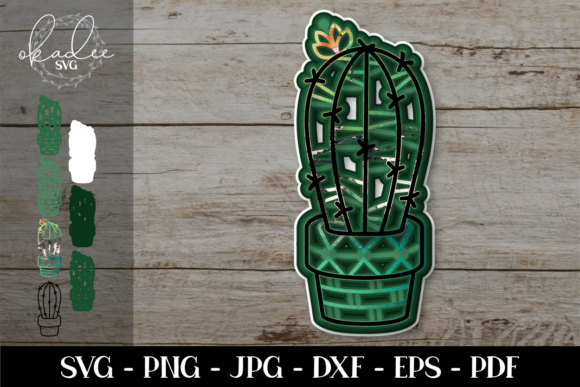
When you first load the file into your digitizing software or previewing tool, the immediate takeaway is the playful geometry. The 3D Cactus Mandala combines the organic, slightly chaotic energy of a cactus with the structured, repetitive symmetry of a mandala. It feels grounded yet fun. For designers looking to add a touch of bohemian flair without overwhelming a garment, this balance is crucial. The visual personality suggests a product that is approachable—perfect for nursery decor, casual wear, or home accents—but the mandala element adds a layer of sophistication that prevents it from feeling too juvenile.
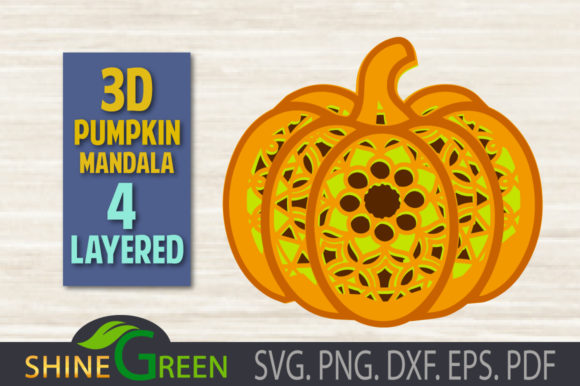
The concept relies on layering. Since this is a Shapes based product, the magic happens when you cut these layers from quality cardstock or stable fabric and stack them using adhesive foam or glue dots. In an embroidery context, this translates to a raised, dimensional effect that catches light differently than traditional satin stitches. It creates depth, which immediately elevates the perceived value of the handmade product. When customers see texture they can almost feel, their trust in the craftsmanship increases before they even read the price tag.
Real-World Application: From Sketch to Stitched Reality
I tested the application of this design across several common use cases to see where it shines and where it might struggle. The versatility of 3D Cactus Mandala is impressive, but it demands specific project choices to look its best.
- Custom Apparel and Sweatshirts: On a heavyweight cotton sweatshirt, this design works beautifully as a chest pocket accent or a centered back graphic. The 3D aspect adds weight and presence, making it stand out against the soft fleece. However, ensure the base layer is anchored well to prevent shifting during washing.
- Tote Bags and Canvas Items: A tote bag design featuring this cactus is an instant hit at craft fairs. The sturdy canvas supports the layered structure perfectly. When paired with bold thread colors for any accompanying text, it becomes a statement piece for everyday carry.
- Baby Embroidery and Nursery Decor: For baby clothes or crib sheets, the rounded, friendly nature of the cactus is ideal. It’s soft-looking (even if textured) and fits the pastel or earth-tone palettes popular in modern nurseries. As a personalized gift, adding a name in a complementary font next to the 3D Cactus creates a memorable keepsake.
- Embroidered Patches: If you are producing embroidered patches for denim jackets or backpacks, this design offers a unique selling point. The 3D effect distinguishes it from the sea of flat applique patches, giving your craft business a competitive edge.
Where to Exercise Caution
No design is universally perfect, and 3D Cactus Mandala has specific constraints that every embroiderer must respect. Ignoring these can lead to frustrating production errors or unhappy customers.
First, consider the hoop size. Because this design relies on multiple layers to achieve its 3D effect, attempting to scale it down too small will result in a cluttered, unrecognizable blob. Small hoop sizes simply do not provide enough surface area for the mandala details to breathe. Similarly, avoid placing this on highly curved surfaces like the front panel of a baseball cap unless you have extensive experience with multi-hoop digitizing and stabilization. The curvature can distort the symmetry of the mandala, breaking the illusion of precision.
Fabric choice is equally critical. Textured fabrics, such as heavy waffle weaves or boucle, can obscure the fine lines of the mandala. Thin or stretchy knits may pucker under the weight of the layered components unless a heavy-duty stabilizer is used. Dark fabrics require careful consideration of your thread colors; if the base layer doesn't contrast sufficiently with the background, the entire design will disappear. Always test on scrap fabric first to check for colorfastness and stability.
Design Notes for the Professional Maker
To get the most out of this digital embroidery file, treat it as a foundational asset rather than a plug-and-play solution. Here are practical steps to ensure professional results:
- Stabilizer Selection: Use a tear-away or cut-away stabilizer appropriate for your fabric weight. The added bulk of 3D elements requires a solid foundation to prevent sinking into the fabric over time.
- Thread Contrast: Inspect small details by viewing your mockup in black and white. This helps verify that the stitch density and line weights are legible regardless of color.
- Licensing Verification: Before listing this as a small shop product on Etsy or selling finished goods commercially, confirm the licensing terms. While the design is ready for creative use, commercial rights vary by creator. Ensure you are compliant to protect your brand consistency and legal standing.
- Mockup Presentation: When creating printable mockups for your online store, highlight the 3D aspect. Use lighting angles that cast shadows to emphasize the layers. This sets accurate expectations for buyers and reduces return rates due to "item not as described" complaints.
Final Verdict on Visual Appeal and Value
Incorporating 3D Cactus Mandala into your workflow does more than just add a cute image to a product; it signals attention to detail. Customers today are savvy; they can tell the difference between a mass-produced sticker and a thoughtfully constructed textile item. The effort required to assemble the layers pays off in increased buyer engagement and a stronger emotional connection to the finished product.
This design fits seamlessly into the current trend of handmade, artisanal goods. It appeals to hobbyists who enjoy the crafting process and entrepreneurs who want a unique niche. Whether you are designing for holiday embroidery seasons, wedding gifts, or everyday boutique branding, this applique design offers a flexible, charming solution. Just remember to respect its structural needs, choose your fabrics wisely, and let the dimensionality do the talking. For those willing to invest the extra minute in assembly, the result is a standout piece that elevates your entire collection.